UX DESIGN AND PROTOTYPING

We make complex functionality apps simple, and simple user interfaces engaging.
Design Services

EXPERIENCE DESIGN

Interaction design Usability engineering

MOBILE DESIGN

Smartphone and tablet iOS, Android, Windows Phone

WEB INTERFACE DESIGN

GUI guidelines compliance Heuristic principles

CORPORATE IDENTITY

Logo design
Branding guidelines

USABILITY AUDIT

Information architecture audit Content inventory, sitemap analysis

WEBSITE DESIGN

Responsive and adaptive websites Intranets, e-commerce, promo sites

UI/UX DESIGN AND IMPLEMENTATION PRINCIPLES AT JOIN THE BYTE

Over years of experience in the trenches, working with a variety of business domains and solution kinds, Join The Byte has developed key UI design and implementation principles that allow us to seamlessly blend solution usability and functionality with quality of execution. Every solution we supply has the UI/UX design elements we regularly guarantee:

  • Alignment of business goals and end-user needs
  • Accessibility and ease-of-use
  • User efforts optimization
  • Cross-platform compatibility
  • Consistency and learnability
  • User productivity and minimum task completion time

WIREFRAMING AND PROTOTYPING
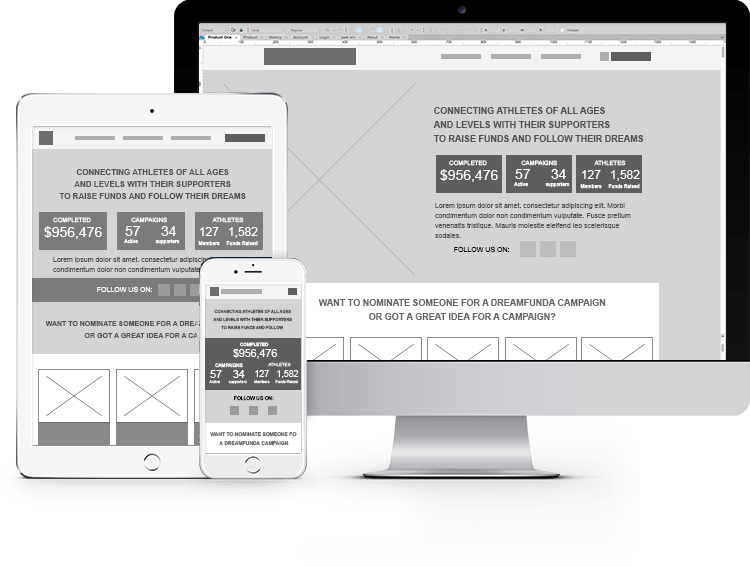
Wireframes

Join The Byte uses wireframing as a fundamental technique to lower the cost and risk associated with creating complex interactive systems. We utilize a prompt iterative refining strategy, obtaining critical input early on and increasing the quality of our focus on targets, situations, and intended functionality.

Wireframes
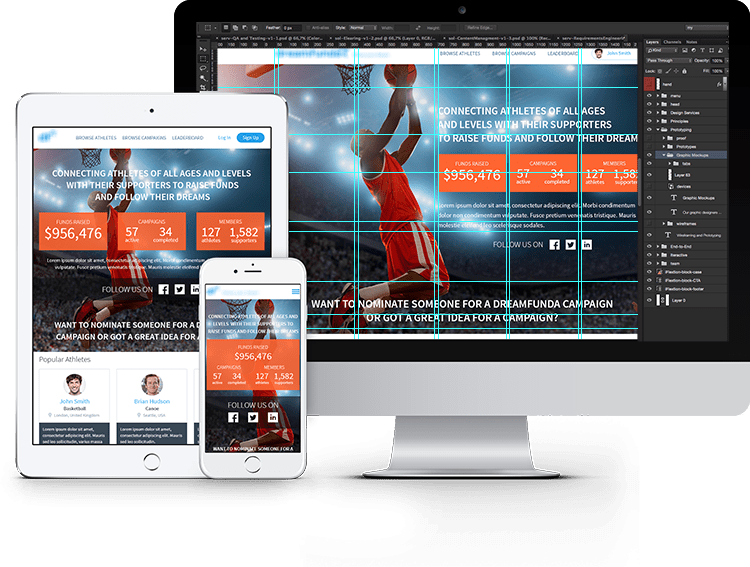
Graphic Mockups

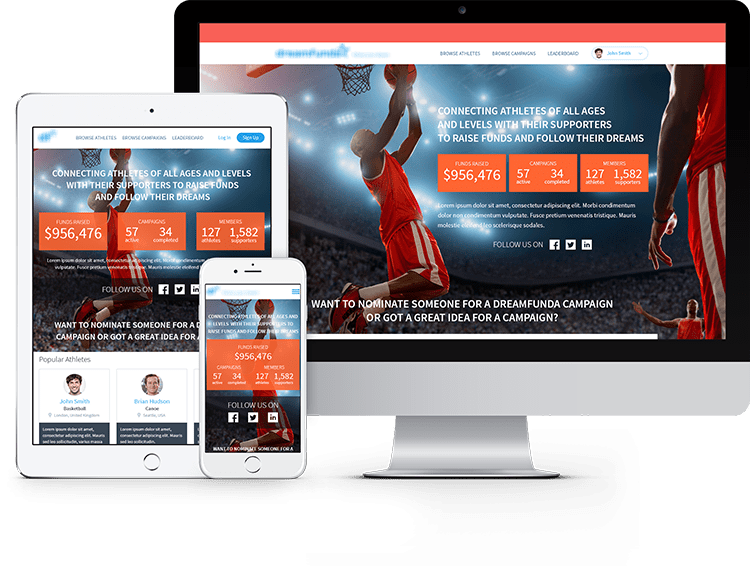
Our graphic designers in an iterative process begin to mock out visual page designs in order to create user interfaces that are carefully planned, exquisitely executed, and actually effective.

At this point, mood boards featuring examples of color schemes, textures, and typography are used to identify the aesthetic preferences and design directions of the client.

Graphic Mockups
Clickable Prototypes

The clickable prototypes provided by Join The Byte enable users to easily test simple or complex behaviors by interacting with the prototype in the same way they would with the end product.

With little time and effort, these prototypes enable the identification of opportunities for improvement, boosting adoption, productivity, user satisfaction, and profitability of the final solution.

Clickable Prototypes
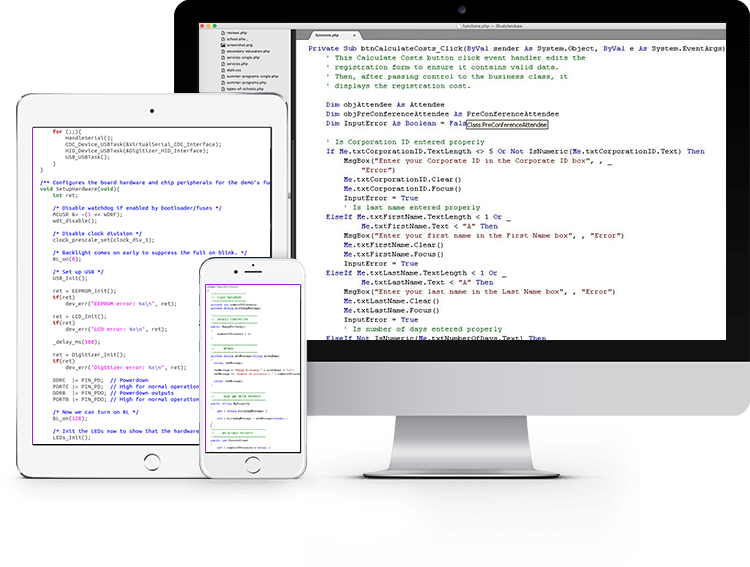
Proof-of-Concept

A proof-of-concept (POC) involves all phases of system implementation and necessitates the commitment of software engineers for the creation of a particular functional component in addition to UI prototyping.

Join The Byte's project team to build POCs quickly and effectively, giving clients beta versions of their products for review and approval by all stakeholders before moving on to product development.

Proof-of-Concept

END-TO-END, CONCEPT-TO-USER PRODUCTIVITY, PROTOTYPE-TO-PRODUCTION

We employ an iterative, highly transparent methodology for user-centered design, beginning with a careful analysis of use cases and customer aesthetic preferences, including testing activities as early as the UI prototyping stage. Throughout the development cycle, Join The Byte aims to deliver working interfaces as early as possible in order to allow time for potential revisions and improvements. Below are the tools and techniques we employ to guarantee flawless, fluid, relevant, and engaging user experiences:

scheme

INTERACTIVE UI AND USABILITY TESTING

Prototype Testing

User Interface Testing

  • Functionality Consistency Review
  • Guidelines Compliance Assessment

Look-and-feel

  • Cross-Browser Testing
  • Cross-Device Testing

Usability Testing

  • Accessibility Testing
  • Ease-of-Use and Control Flow Convenience
  • Cognitive Walkthroughs

Acceptence Testing

CROSS-FUNCTIONAL TEAMS

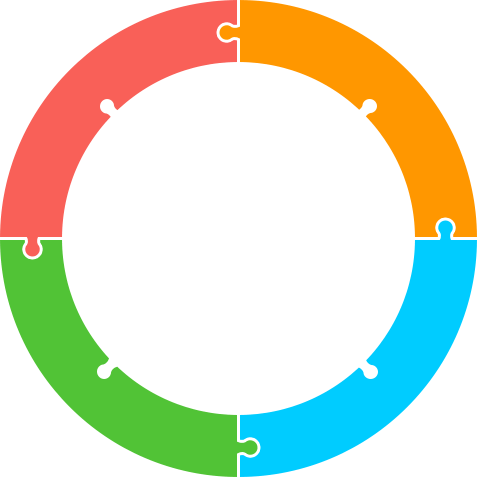
At Join The Byte, UI/UX designers closely collaborate with business analysts, developers, usability testers, and product managers, deeply integrating solution design into more general development activities and procedures to achieve a 360° picture of customers' projects.
Graphic Designer

Creates designs that are slick, expert, and visually pleasing while adhering to design standards and keeping implementation practicality in mind.

Information Architect

Determines how users will engage with and explore the material by using conceptual modeling, information system design, navigation, and interaction scenario design.

Software Engineer

Implements appealing presentation layers for websites, native and cross-platform mobile solutions, and sophisticated portal systems.

QA Engineer

Lays the foundation for satisfying user experiences through research, assessment of user feedback, and analysis of use cases and business goals.

Business Analyst

Ensures that usability objectives are satisfied and that the provided solution has the desired impact on the target audience.